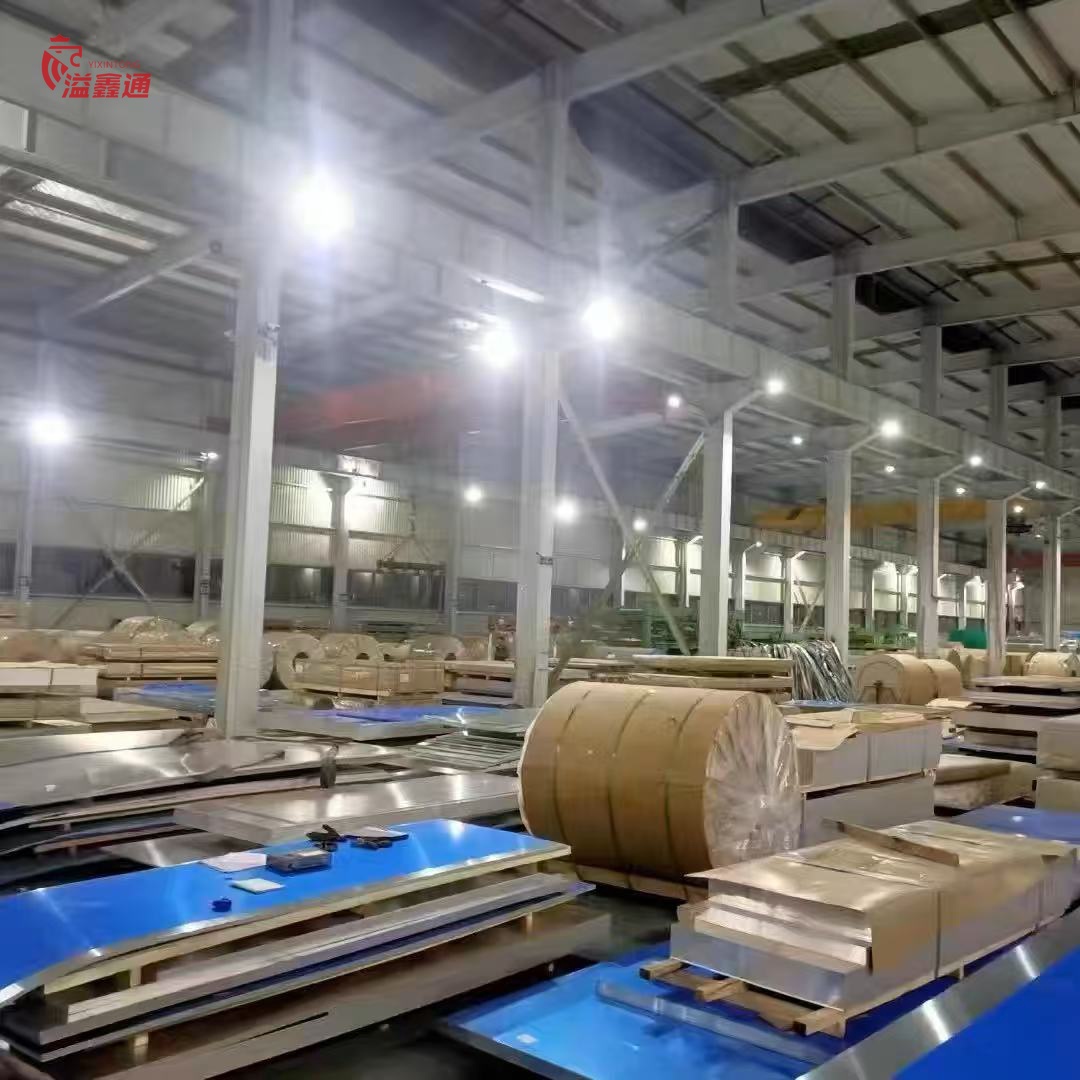
Aluminum Scrap
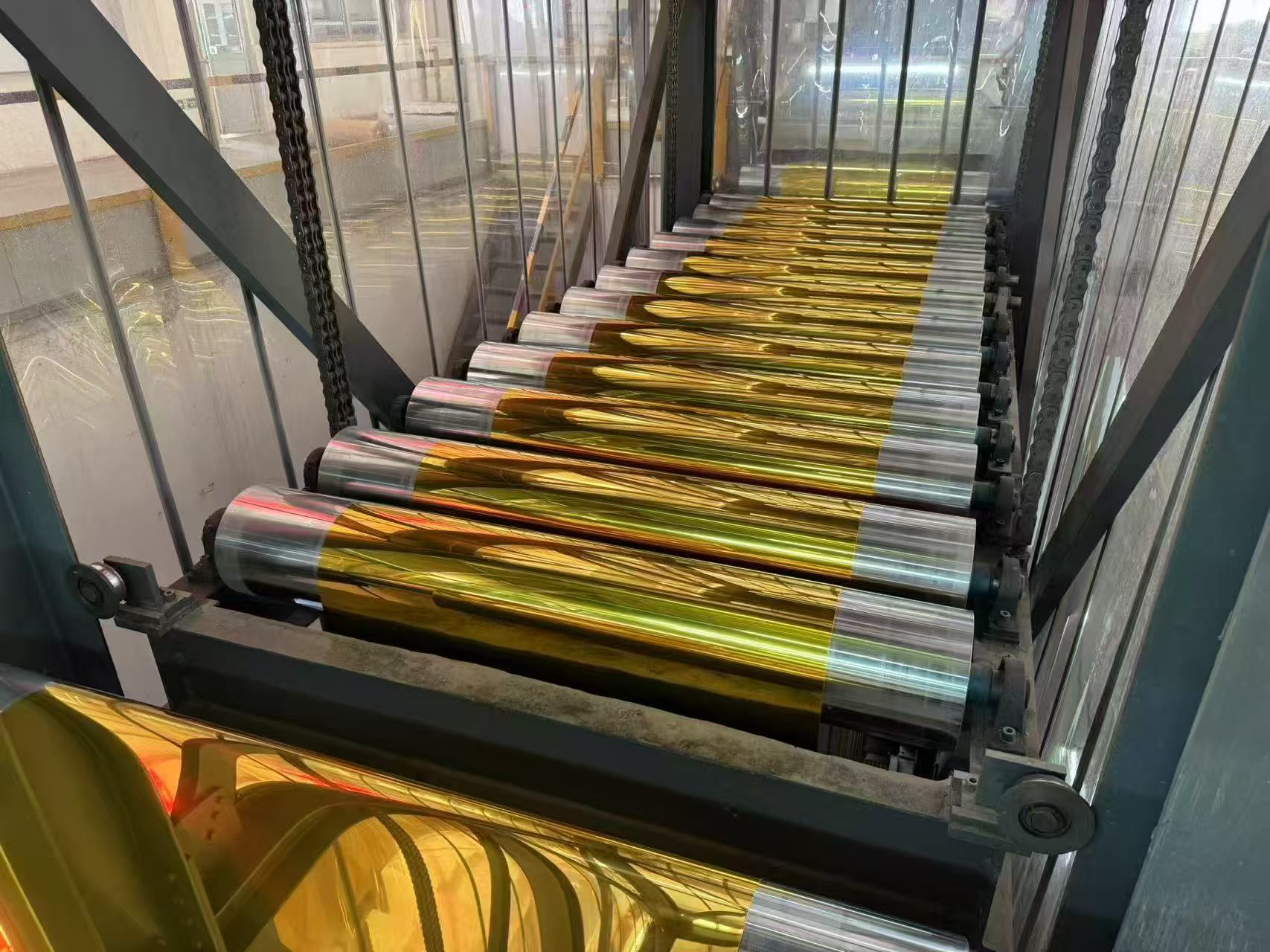
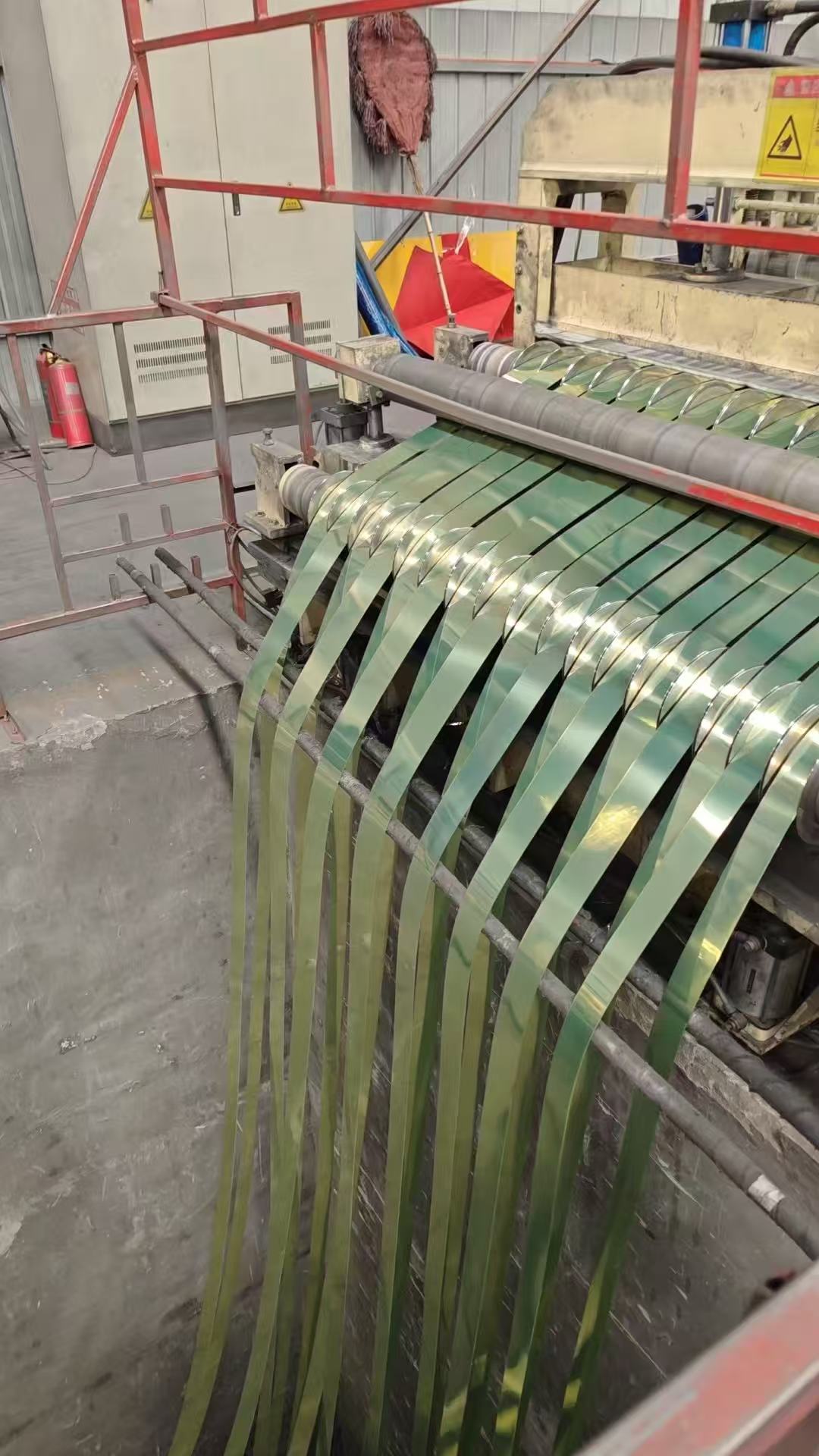
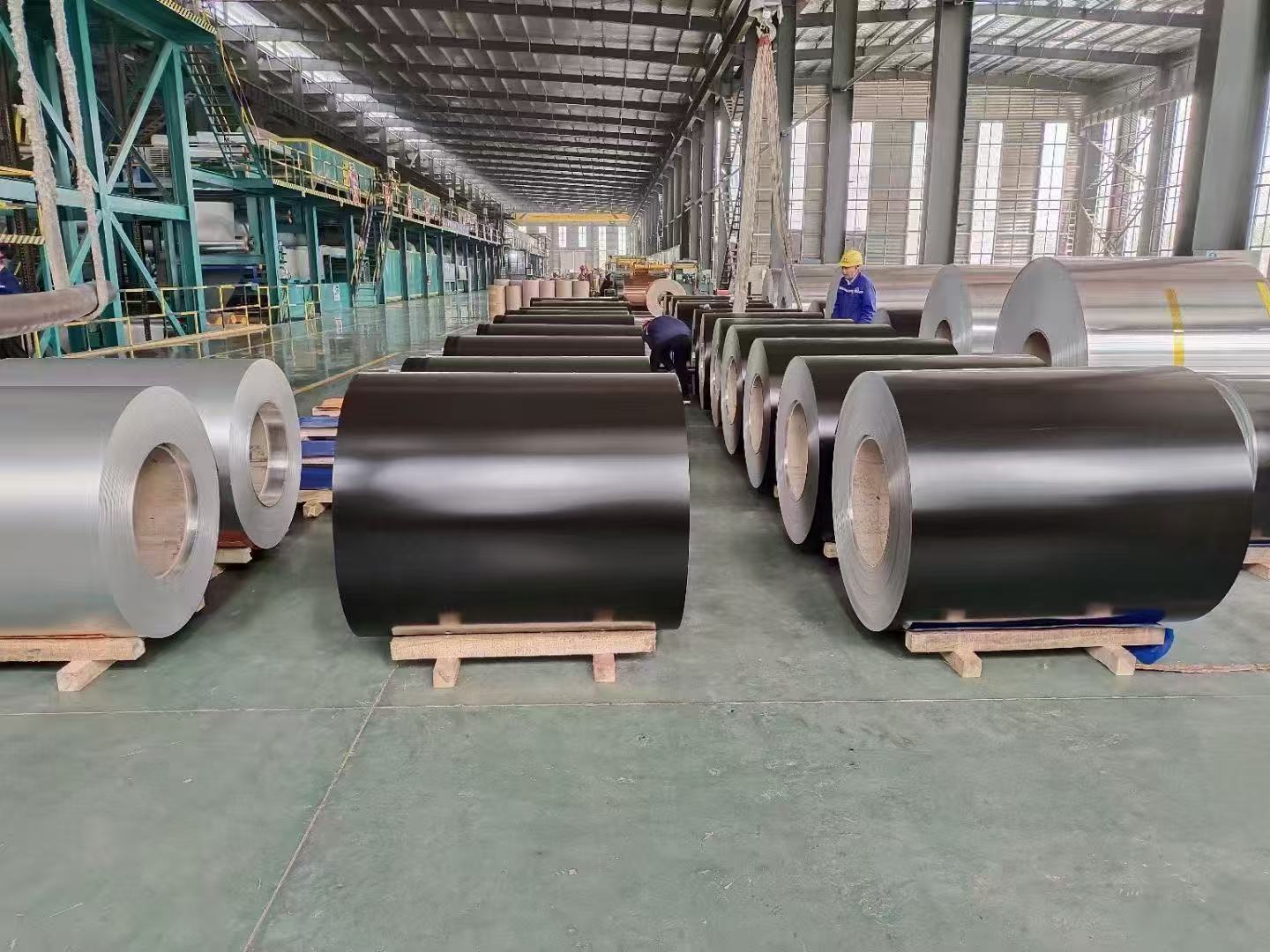
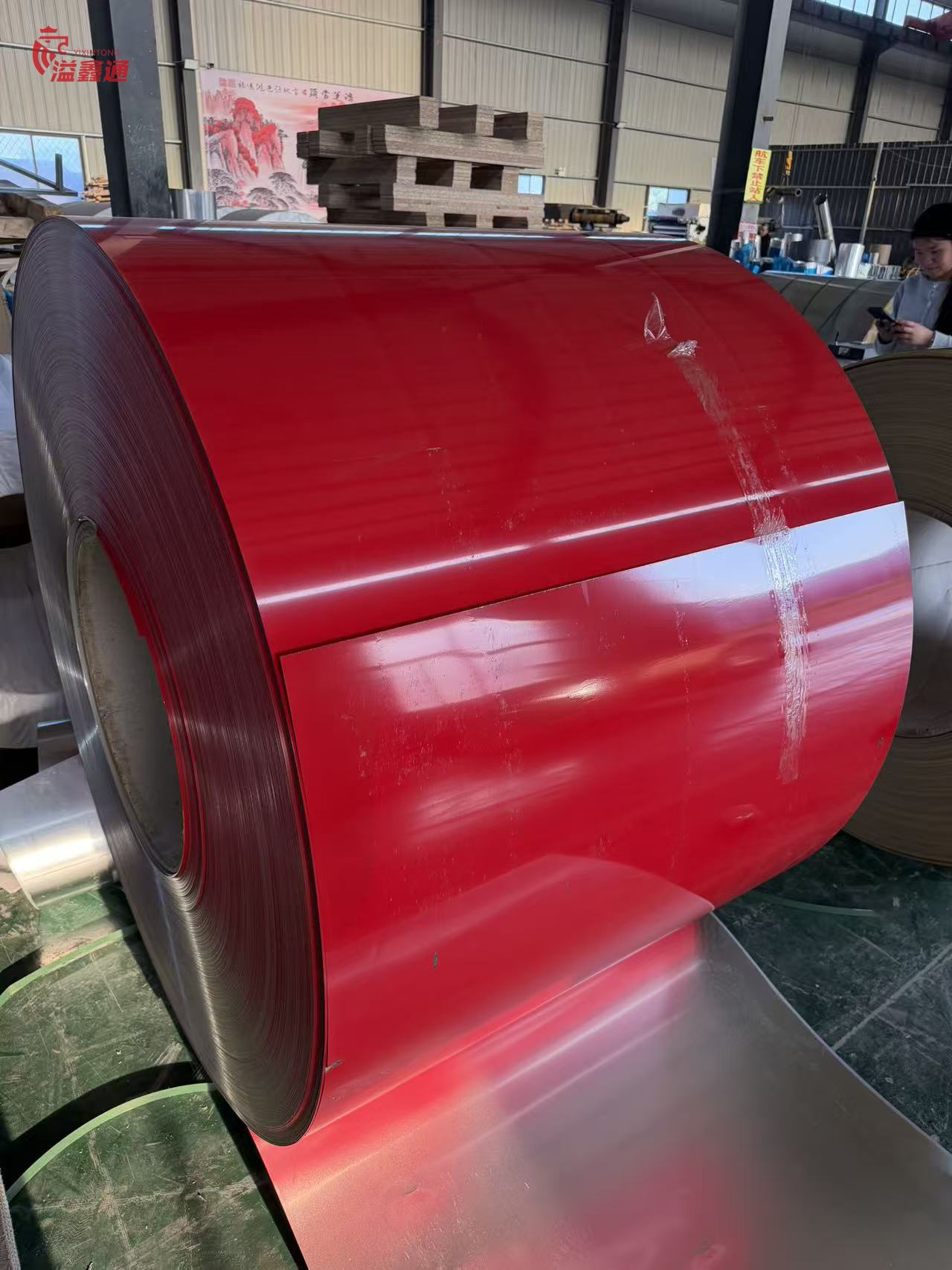
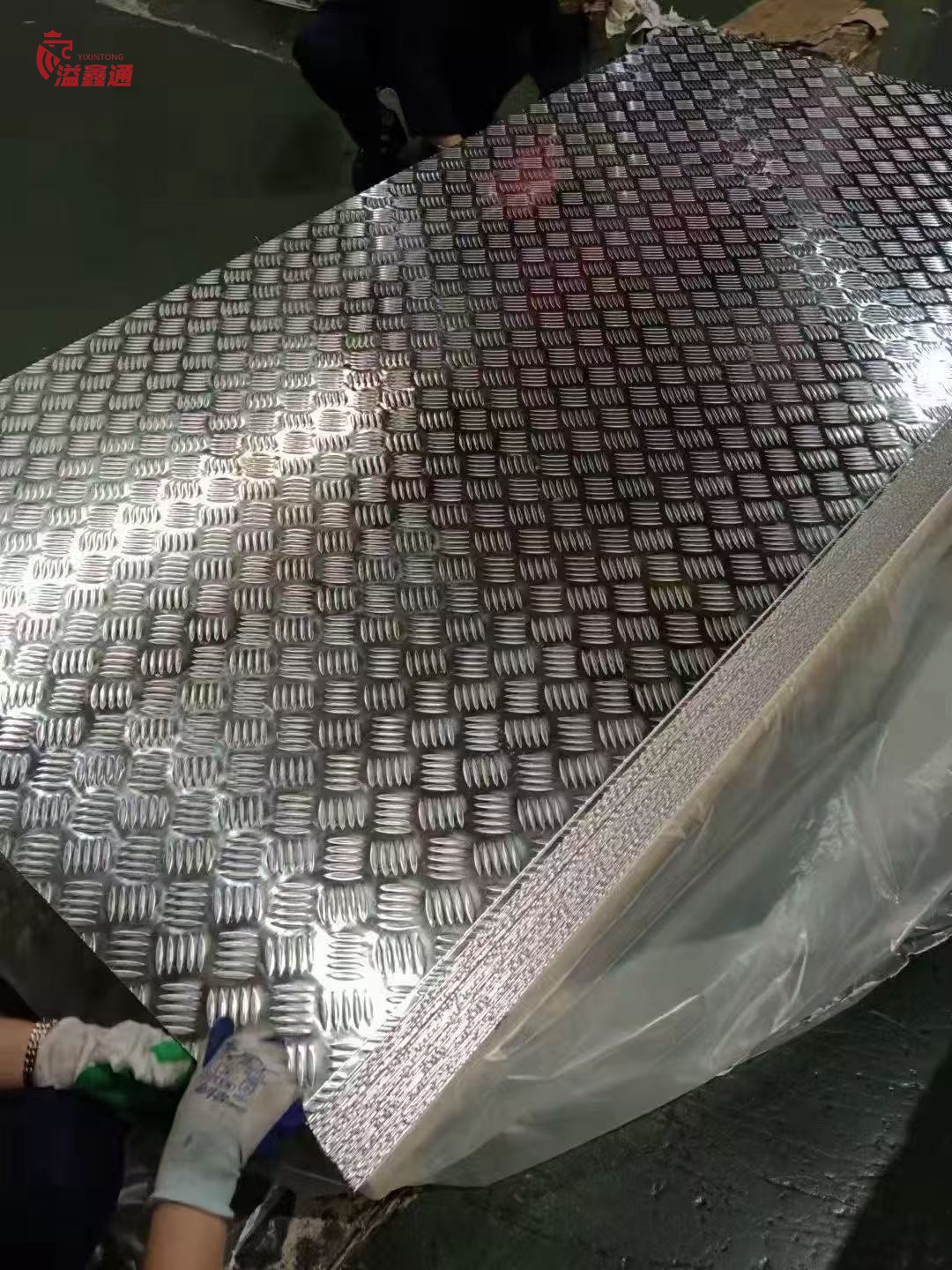
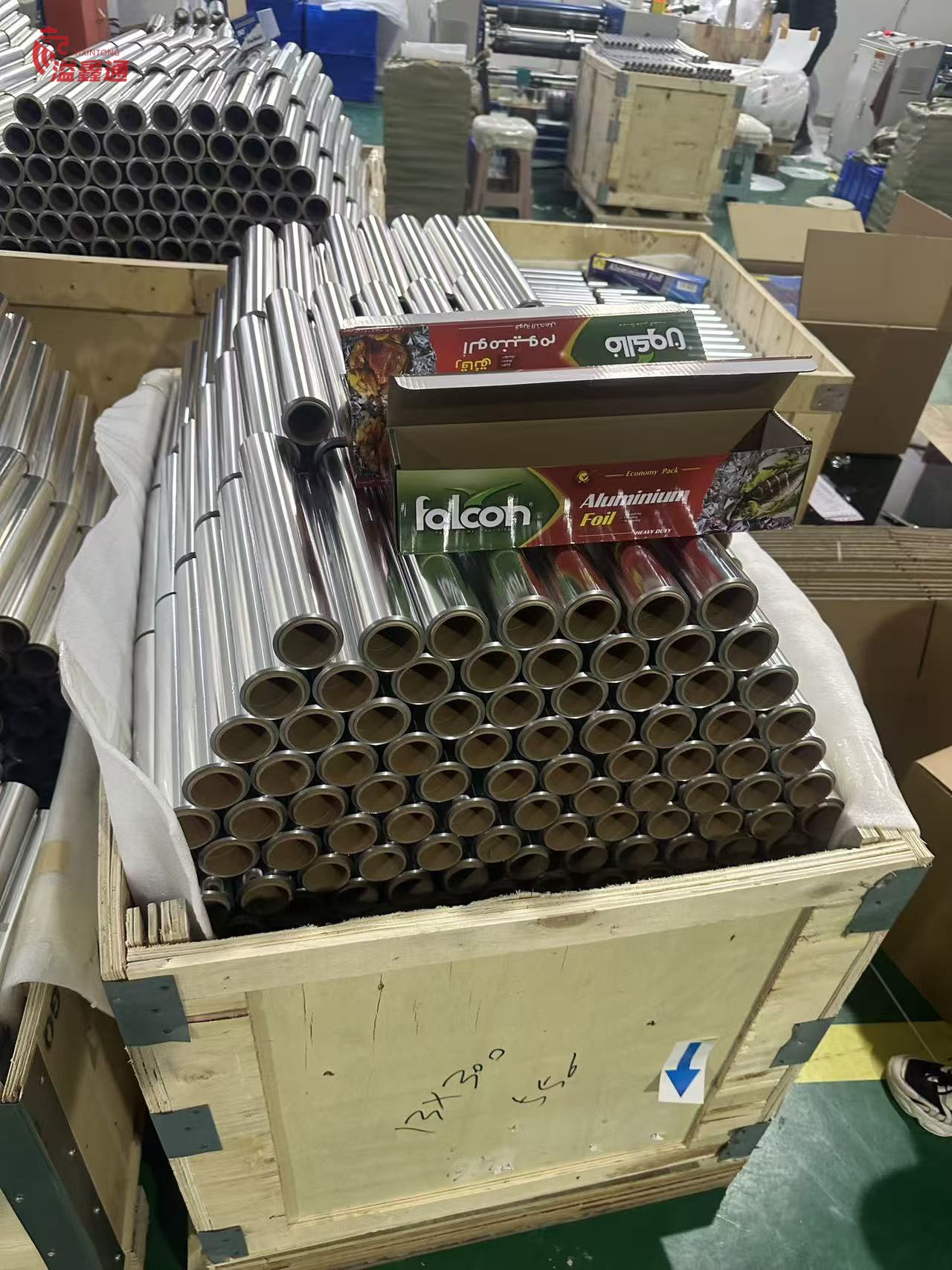
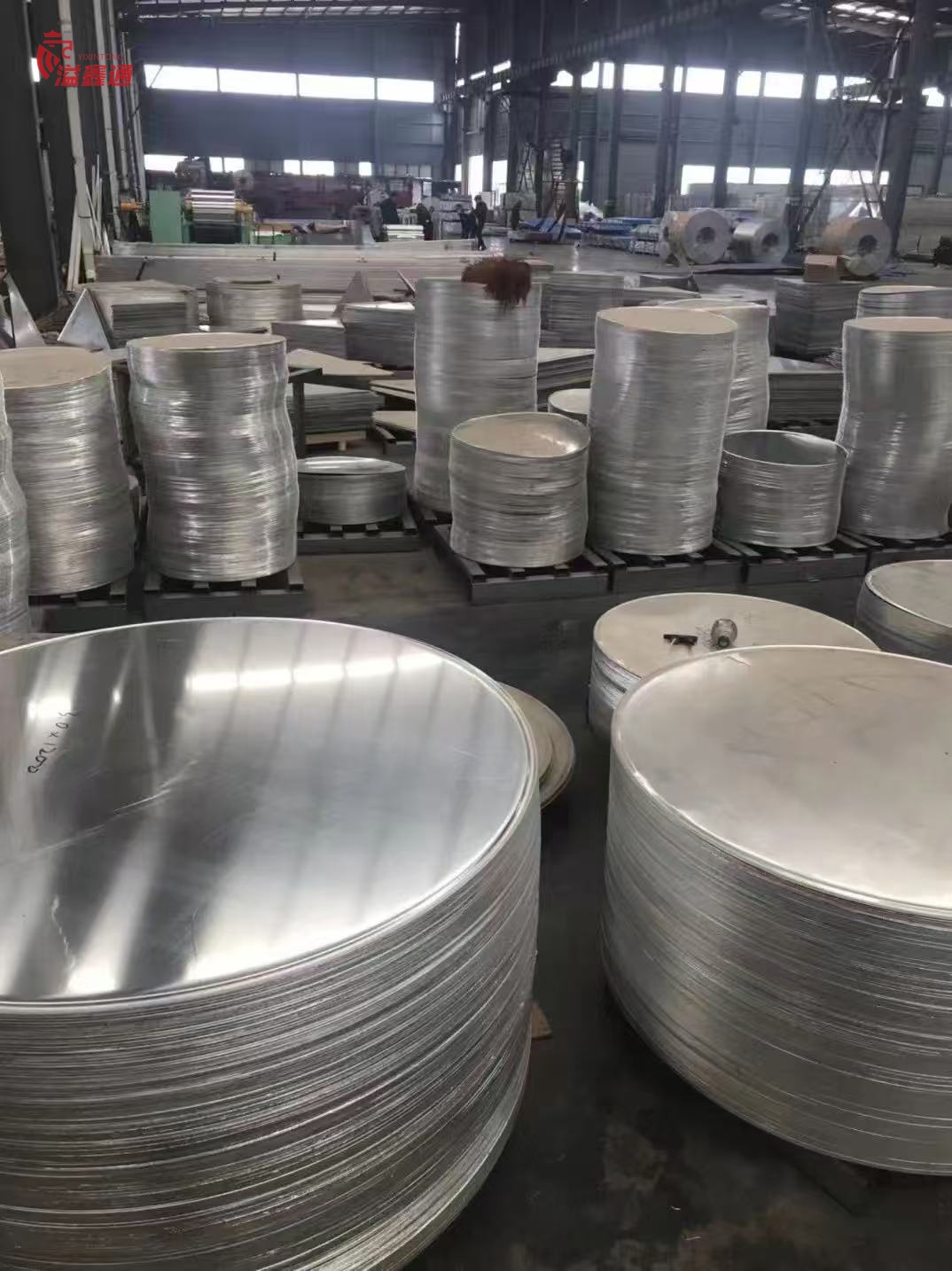
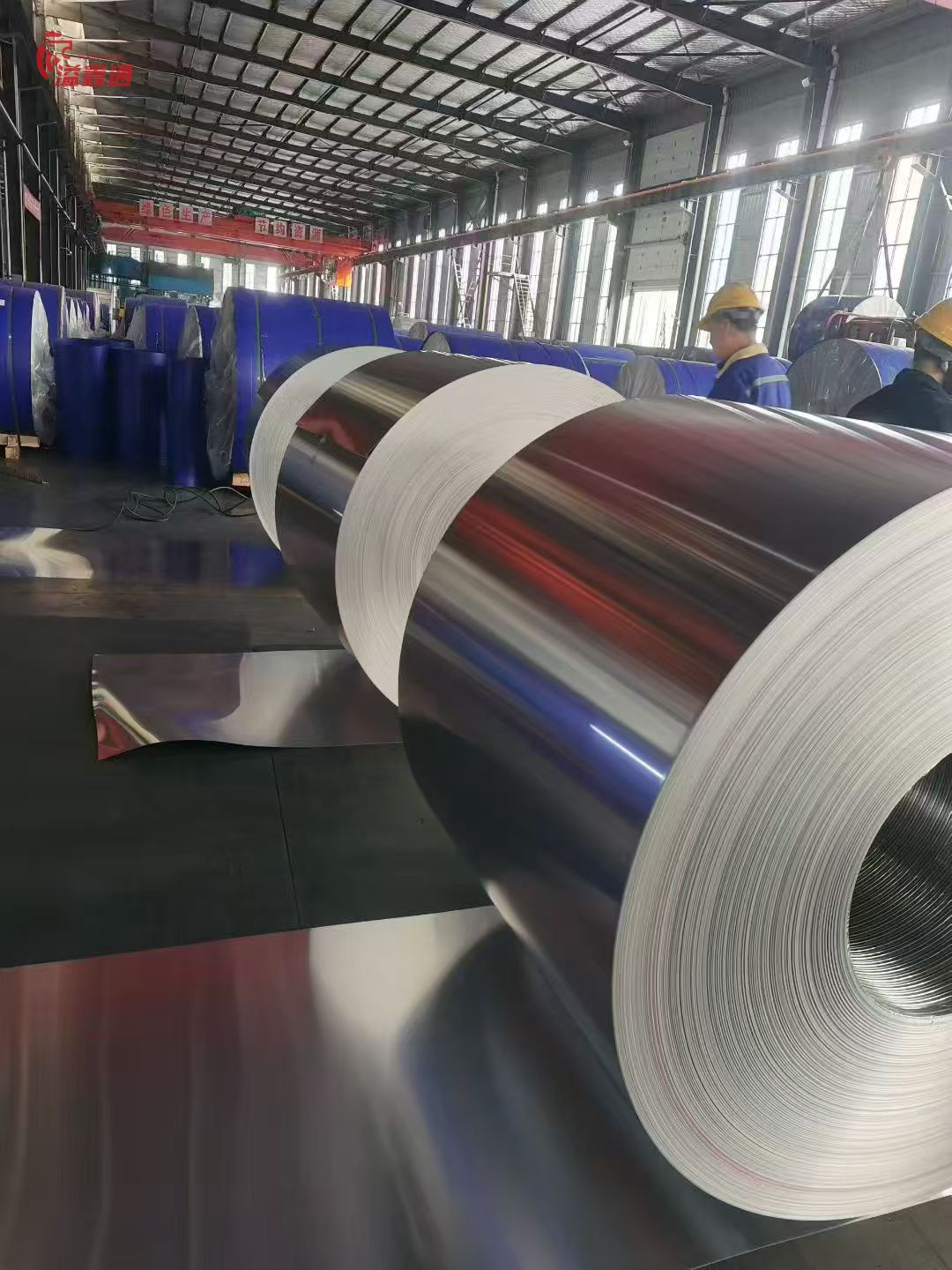
Aluminum scrap is a recyclable resource of aluminum metal, including process waste (new scrap) generated during production and old scrap recovered from end-of-life products. Our company has long been engaged in the recycling, sorting, processing, and trading of various types of aluminum scrap. Leveraging our large-scale melting capacity and strict quality control system, we convert scrap back into high-quality aluminum ingots or recycled aluminum products – reducing production costs while promoting green circular utilization.
I. Types and Specifications of Aluminum Scrap
Category | Common Forms | Description |
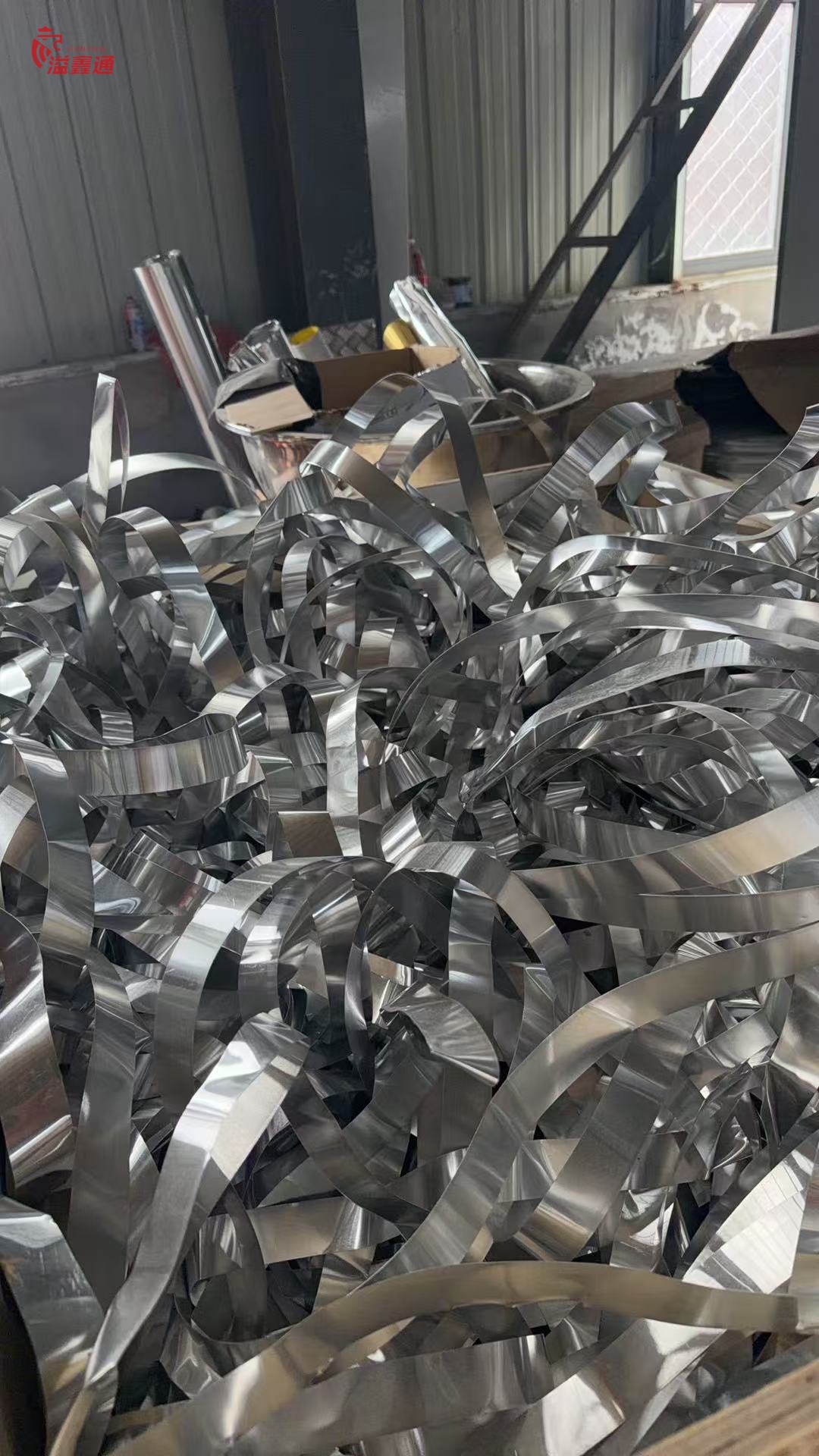
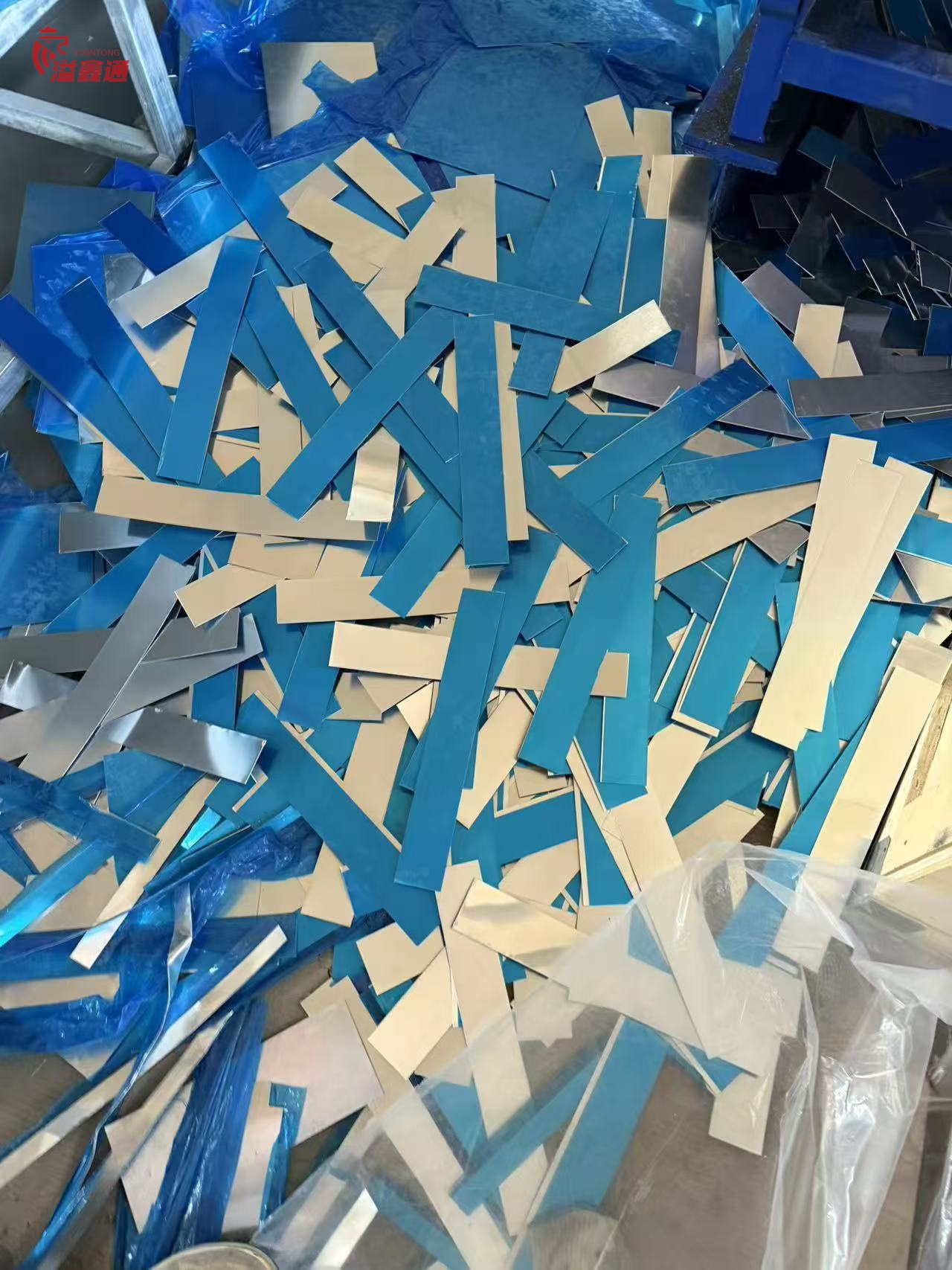
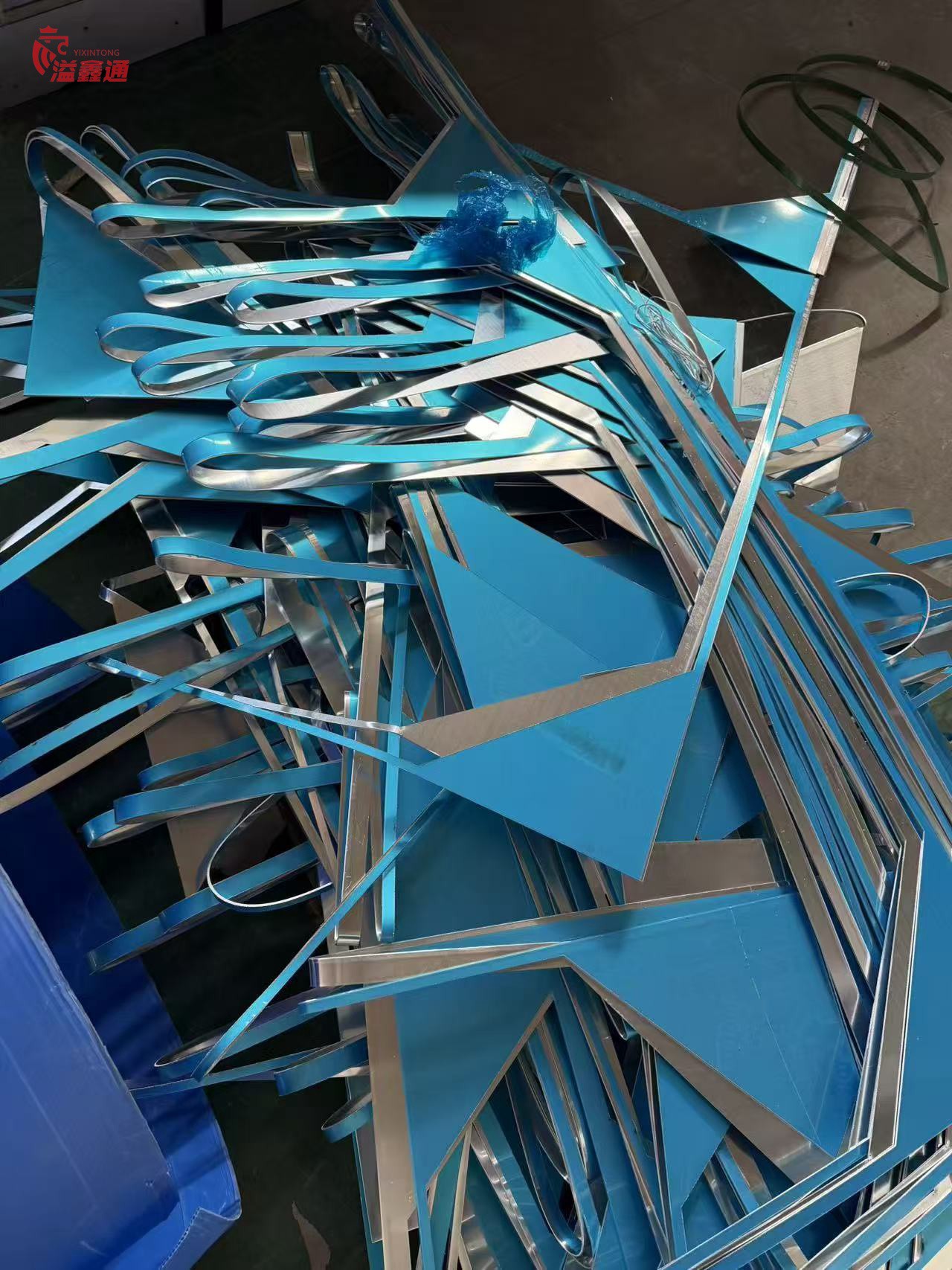
By Source | New Scrap (process waste) | Trimmings, crop ends, stamping scraps, defective products from aluminum processing; clear composition, low impurities |
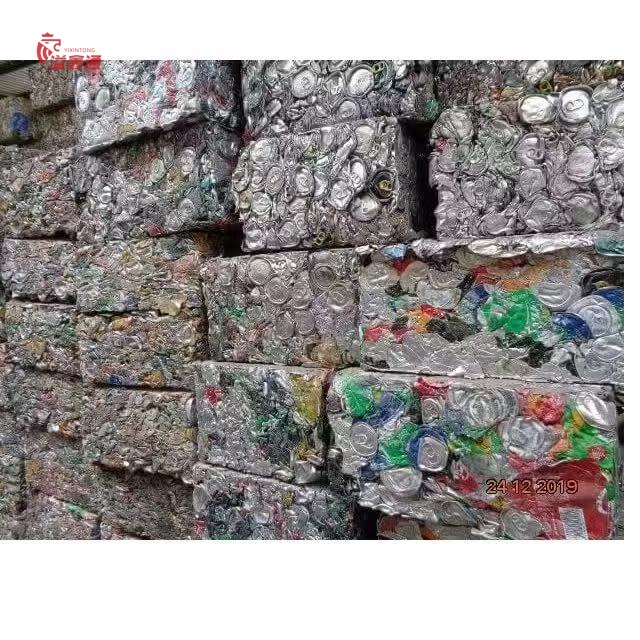
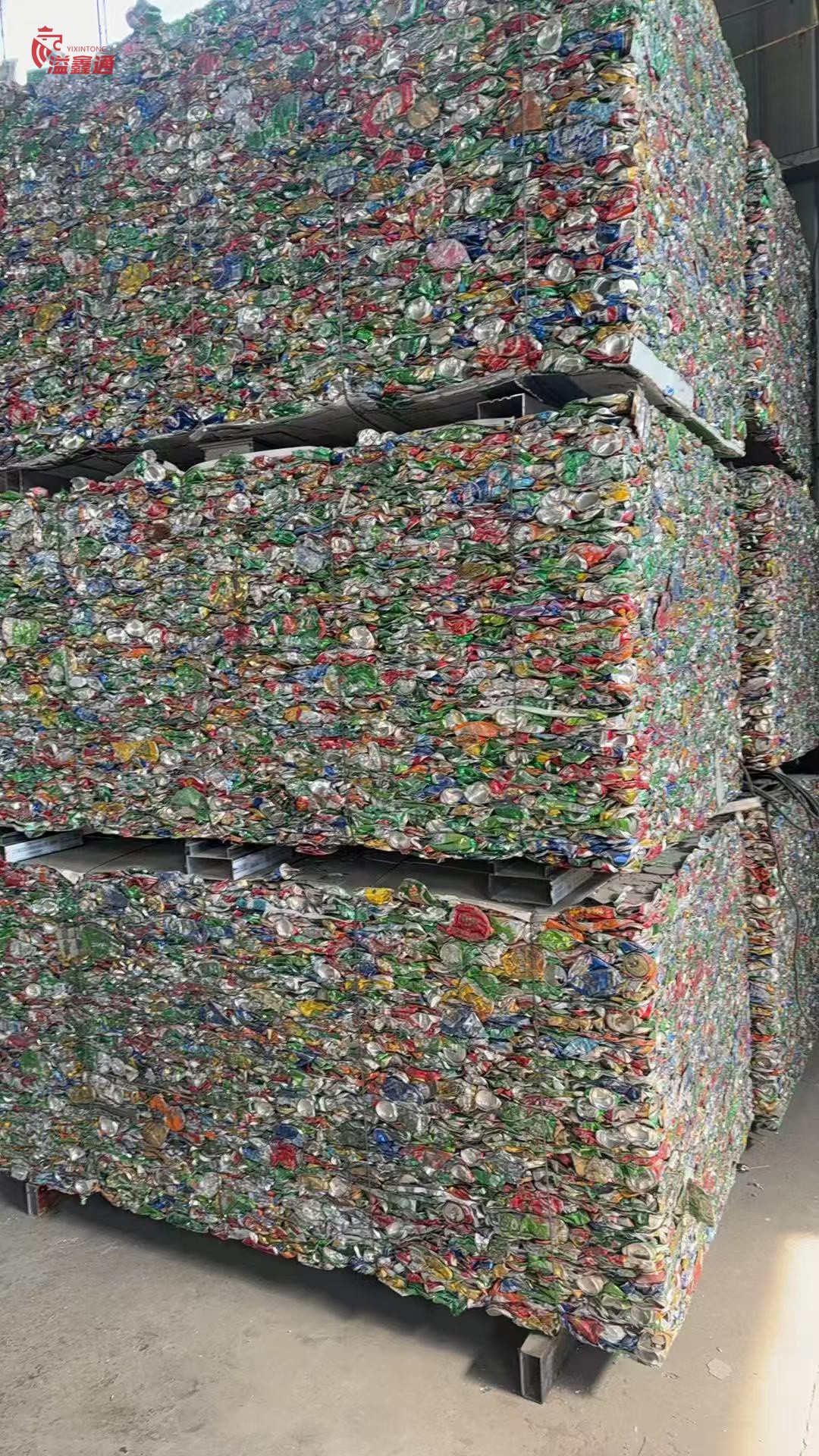
| Old Scrap (recycled waste) | Recovered from end-of-life vehicles, construction profiles, old appliances, packaging containers; needs sorting |
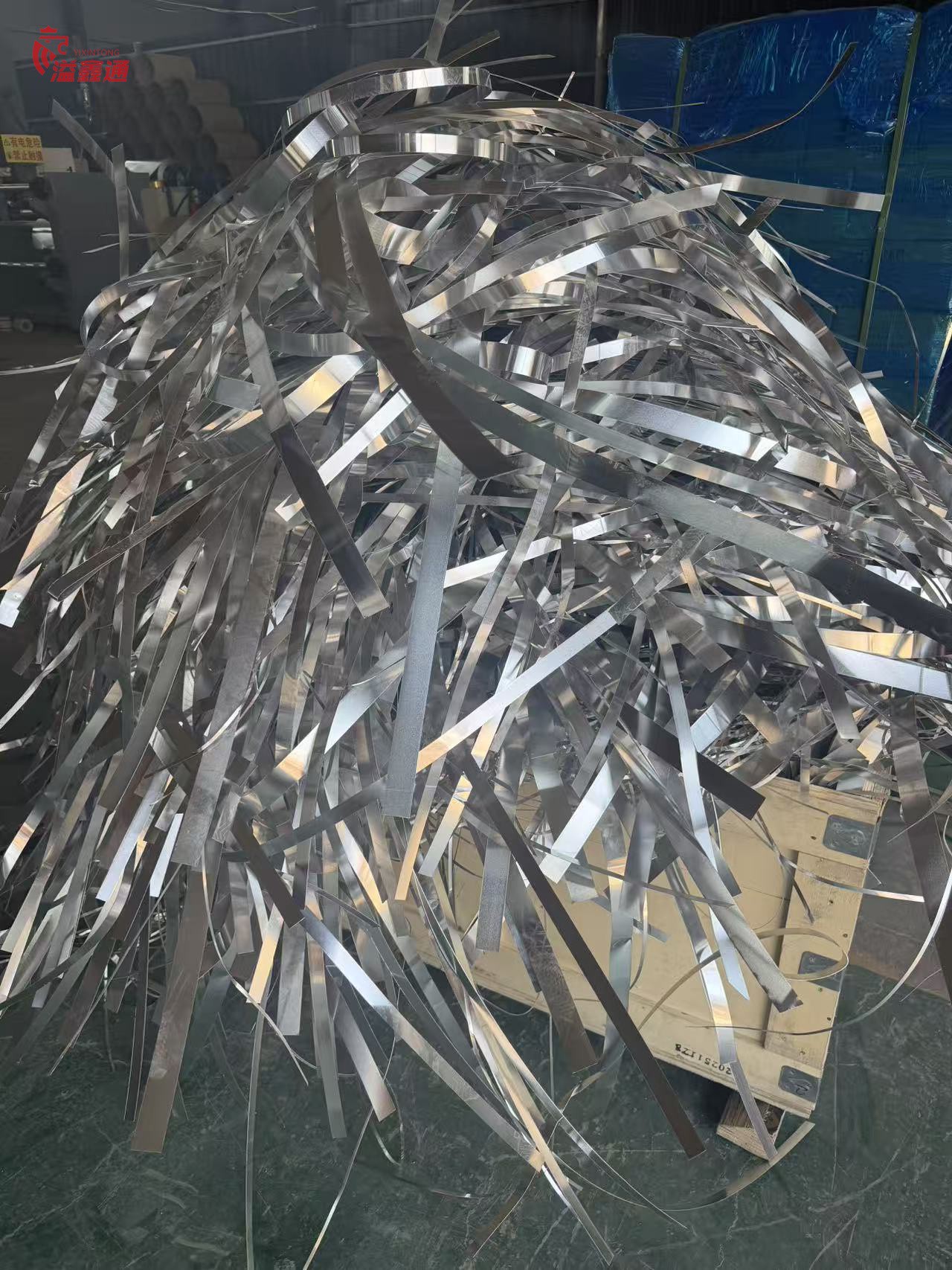
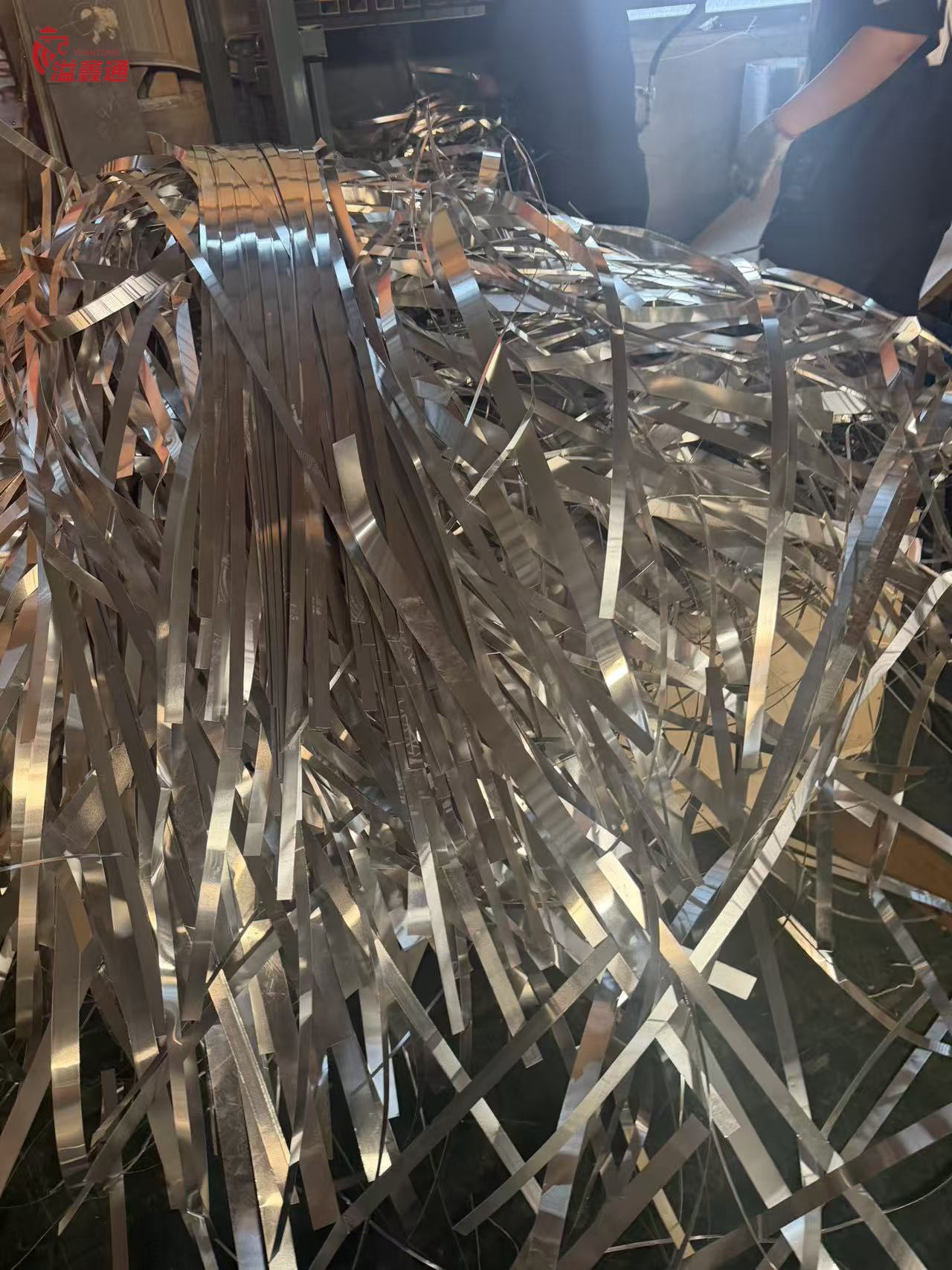
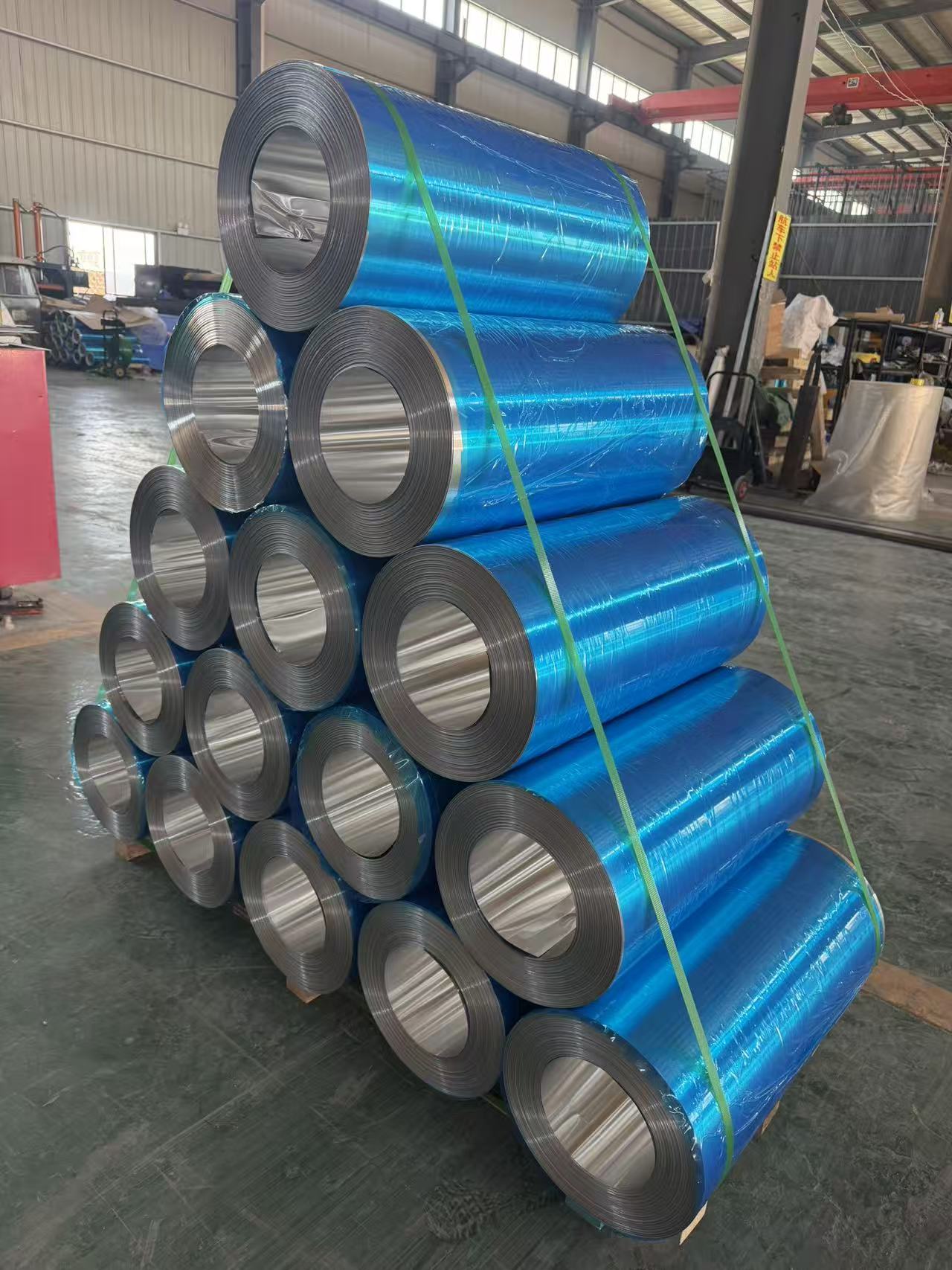
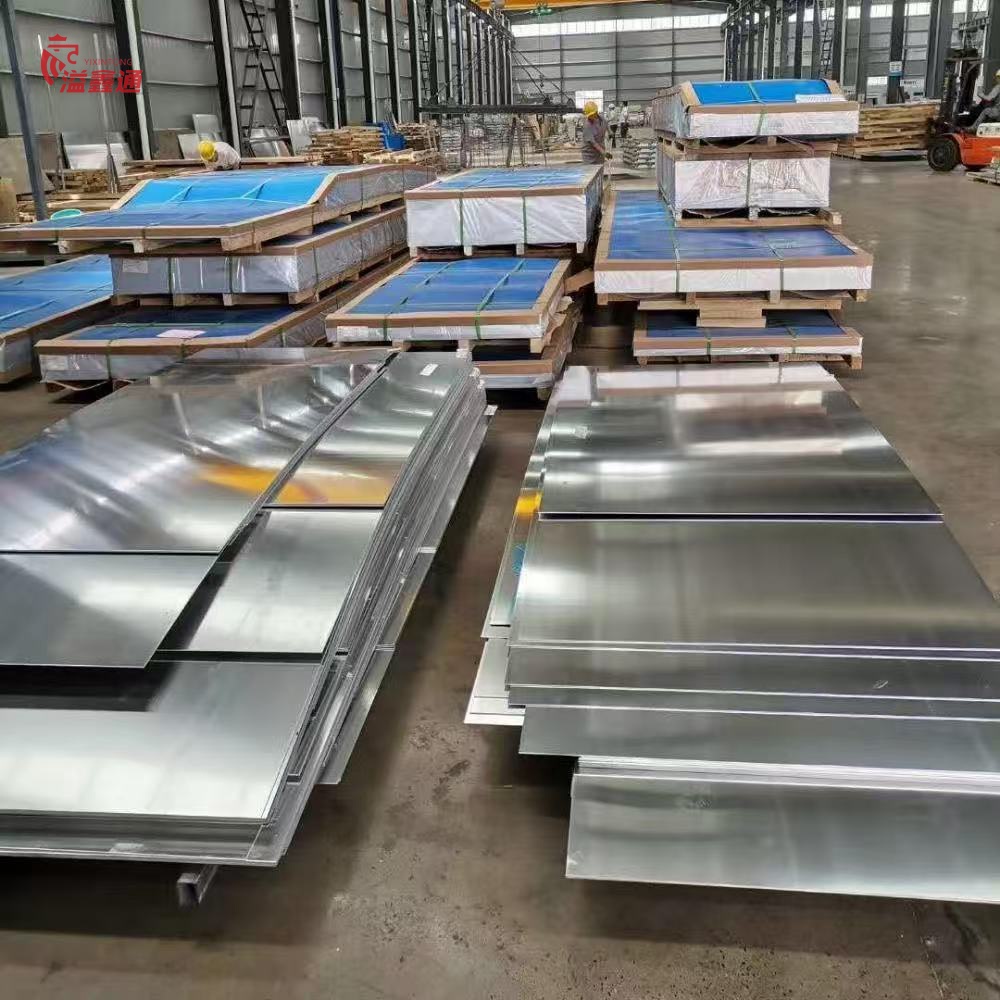
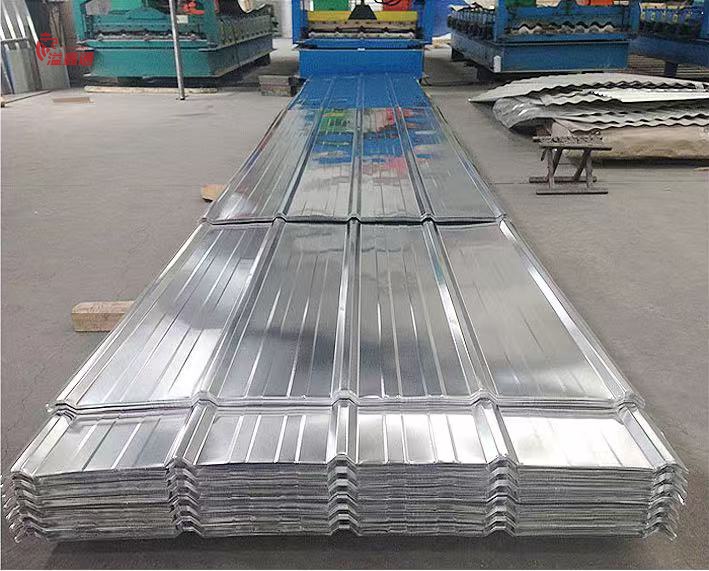
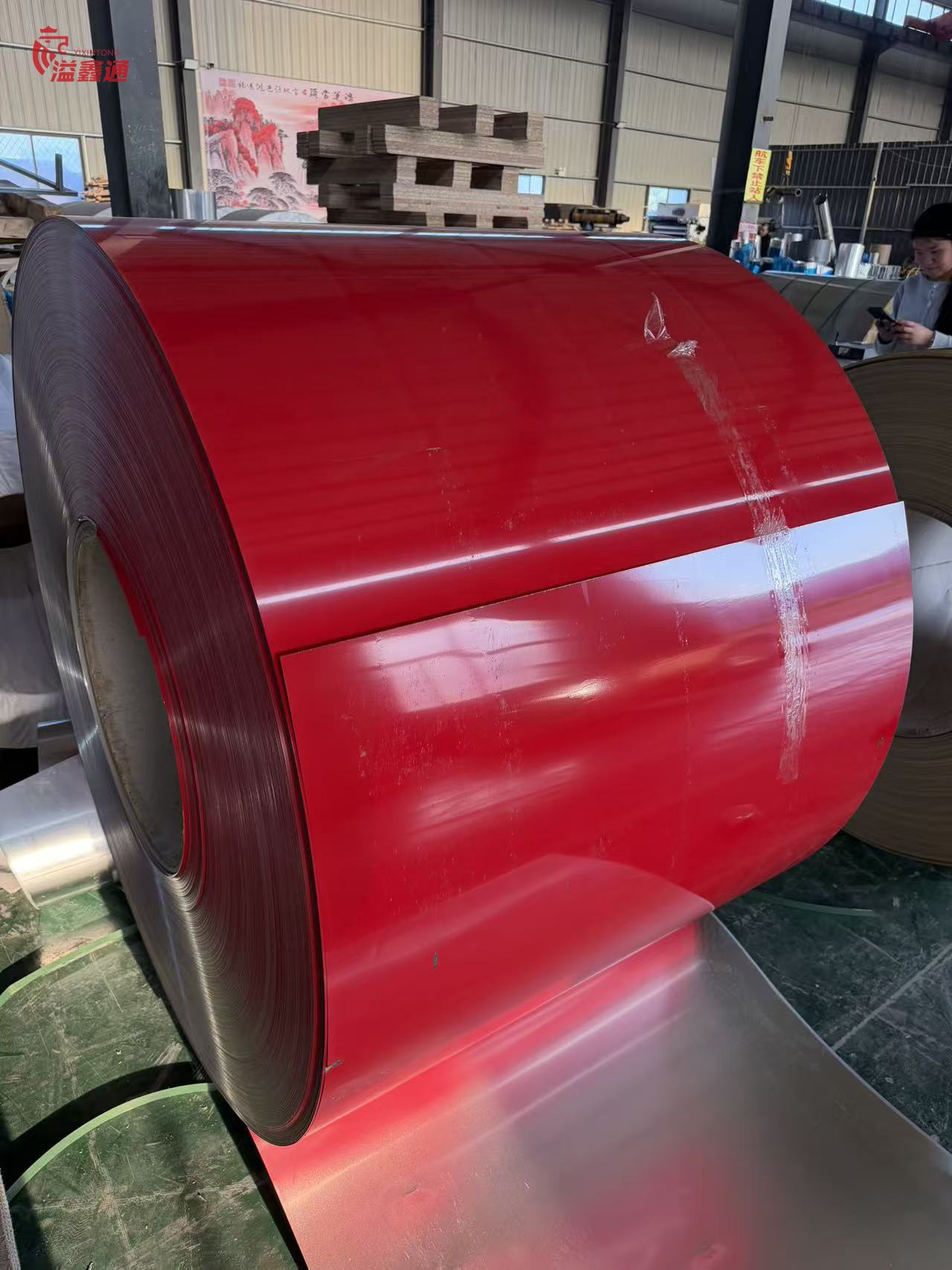
By Form | Scrap Coils/Sheets/Strips | Edge trimmings, leftover coils, stamping fragments |
| Scrap Profiles | Old window/door frames, industrial frames, construction profiles |
| Scrap Ingots/Blocks | Crude ingots from remelting, or crushed aluminum blocks |
| Aluminum Chips/Powder | Machining swarf, turnings (requires oil/water separation) |
Common Alloy Grades | 1xxx (pure Al), 3xxx (Al-Mn), 5xxx (Al-Mg), 6xxx (Al-Mg-Si), and mixed grades | Available sorted by grade or as blended mixture per customer request |
Typical Size/Weight | Bales: ≤800×600×600mm; bulk material measured in tons; ingots typically 7–25kg/piece | Packaging customizable per shipping requirements |
II. Key Quality Indicators of Aluminum Scrap
Parameter | Requirement/Range | Remarks |
Aluminum Content (Purity) | Generally ≥92%–99.7% depending on grade | Pure scrap has high Al content; alloy scrap requires clear main alloying elements |
Impurity Content | Fe ≤0.5%–1.5%, Si ≤0.3%–1.2%, other elements meet relevant standards | Strict control of Cu, Zn, Mg, etc. to ensure recycled product quality |
Moisture / Oil Content | Moisture ≤2%, Oil ≤3% (negotiable for turnings) | Excessive moisture/oil affects melting safety and yield |
Appearance | No heavy oxidation, no mud/sand, no ferrous/plastic/rubber contamination | Ensures furnace safety and stable alloy composition |
Size Uniformity | Uniform in size after baling or crushing for easy feeding | Oversize material needs pre-crushing or shearing |
III. Aluminum Scrap Recycling & Processing Flow
Process Step | Description |
Procurement / Purchase | Sourcing various industrial and post-consumer scrap from domestic and international markets; strict incoming inspection |
Sorting / Classification | Manual + mechanical sorting by grade, form, and cleanliness; avoid mixing |
Pre-treatment | Crushing, magnetic separation (remove iron), de-coating/de-oiling, drying, etc. to improve furnace charge quality |
Melting / Refining | Remelting in rotary or induction furnaces; add fluxes to remove gases and inclusions; adjust alloy composition |
Casting / Forming | Cast into ingots, billets, or directly into recycled coil feedstock for further rolling |
Quality Inspection | Spectrometer analysis, metallographic examination, mechanical property testing to ensure compliance |
IV. Application Fields of Aluminum Scrap
Application Area | Specific Uses |
Recycled Ingot Production | As feedstock for casting alloys for automotive parts, engine housings, etc. |
Wrought Alloy Reprocessing | Remelted and rolled into sheets, foils, extruded profiles for construction, packaging, electronics, etc. |
Steel Deoxidizer | Aluminium granules/blocks used as deoxidizer in steelmaking to lower oxygen content |
Chemical / Refractory Materials | Aluminium powder used in paints, explosives, refractory additives |
Other Recycling | Die castings, hardware, wire and cable, etc. |
V. Quality Control Standards for Aluminum Scrap
Test Item | Reference Standard | Method |
Chemical Composition | GB/T 3190 / ASTM E1251 | Direct-reading spectrometer analysis |
Moisture/Oil Content | GB/T 2007 / ASTM D95 | Gravimetric or distillation method |
Foreign Material (Fe, plastics, etc.) | In-house standard | Weighing after magnetic/manual separation |
Particle Size Distribution | Sieve analysis | Depending on furnace type requirements |
Radiation Detection | GB/T 18871 / International standards | Portal radiation monitor |
VI. Packaging & Transportation
Item | Description |
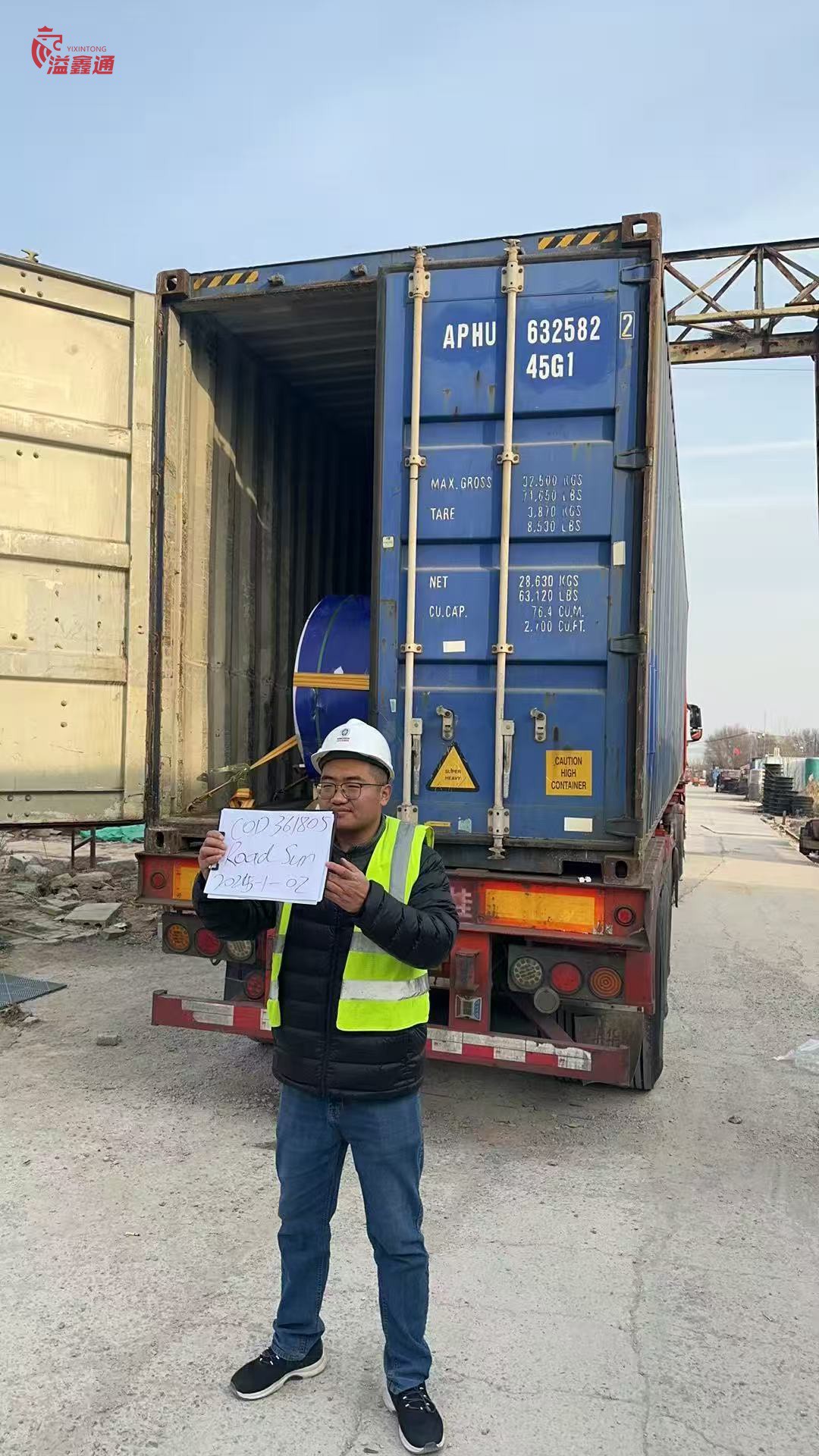
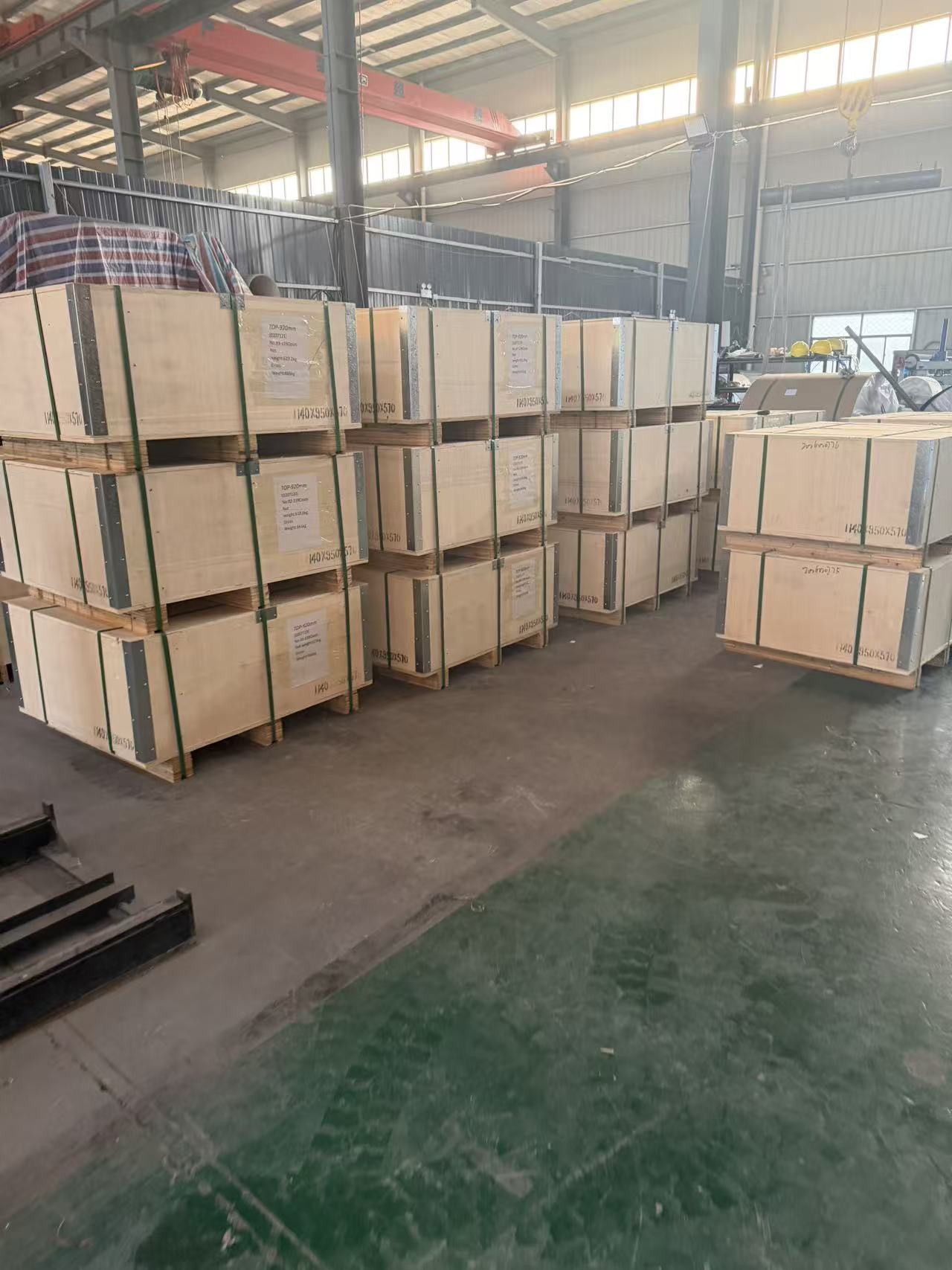
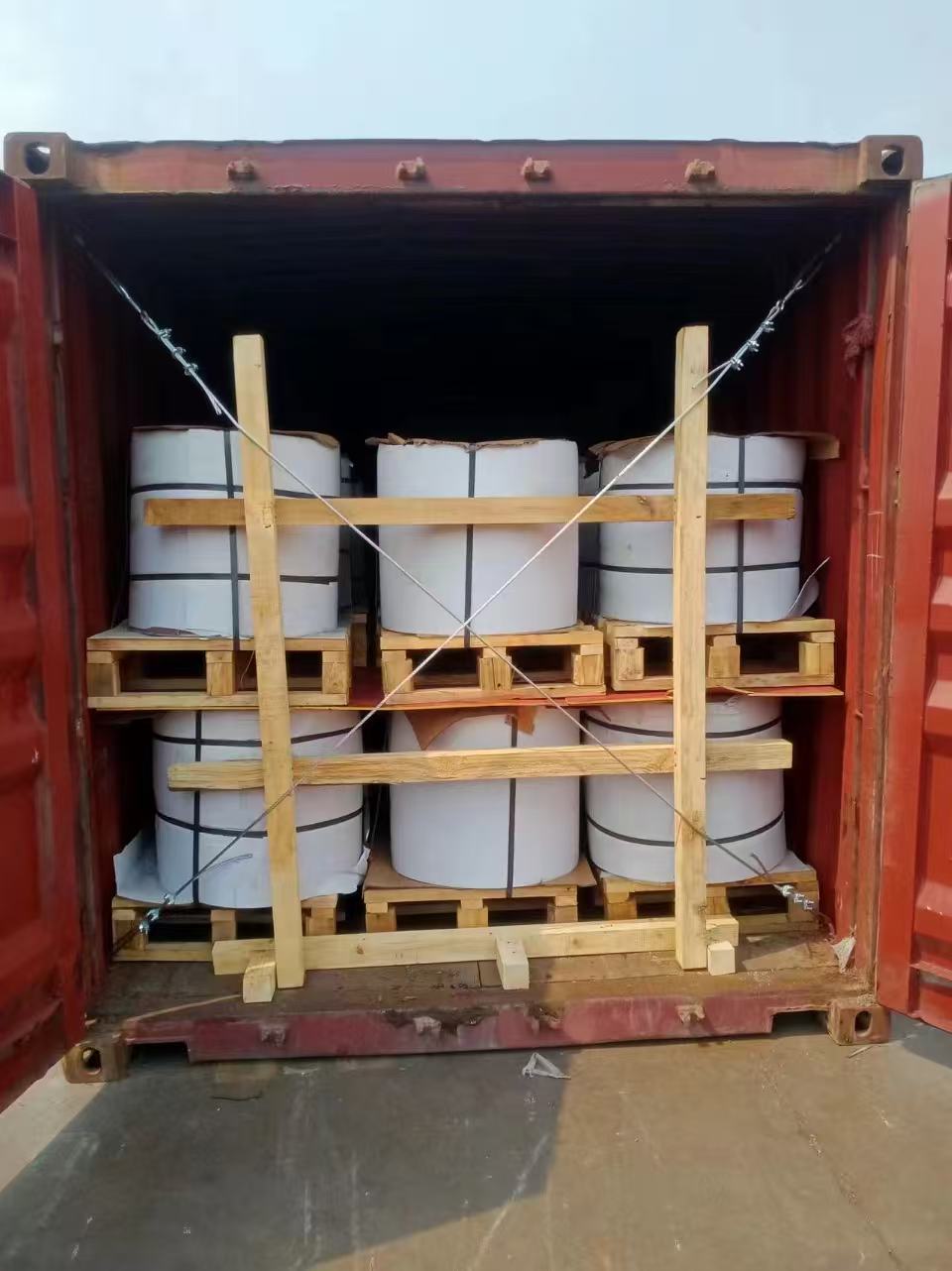
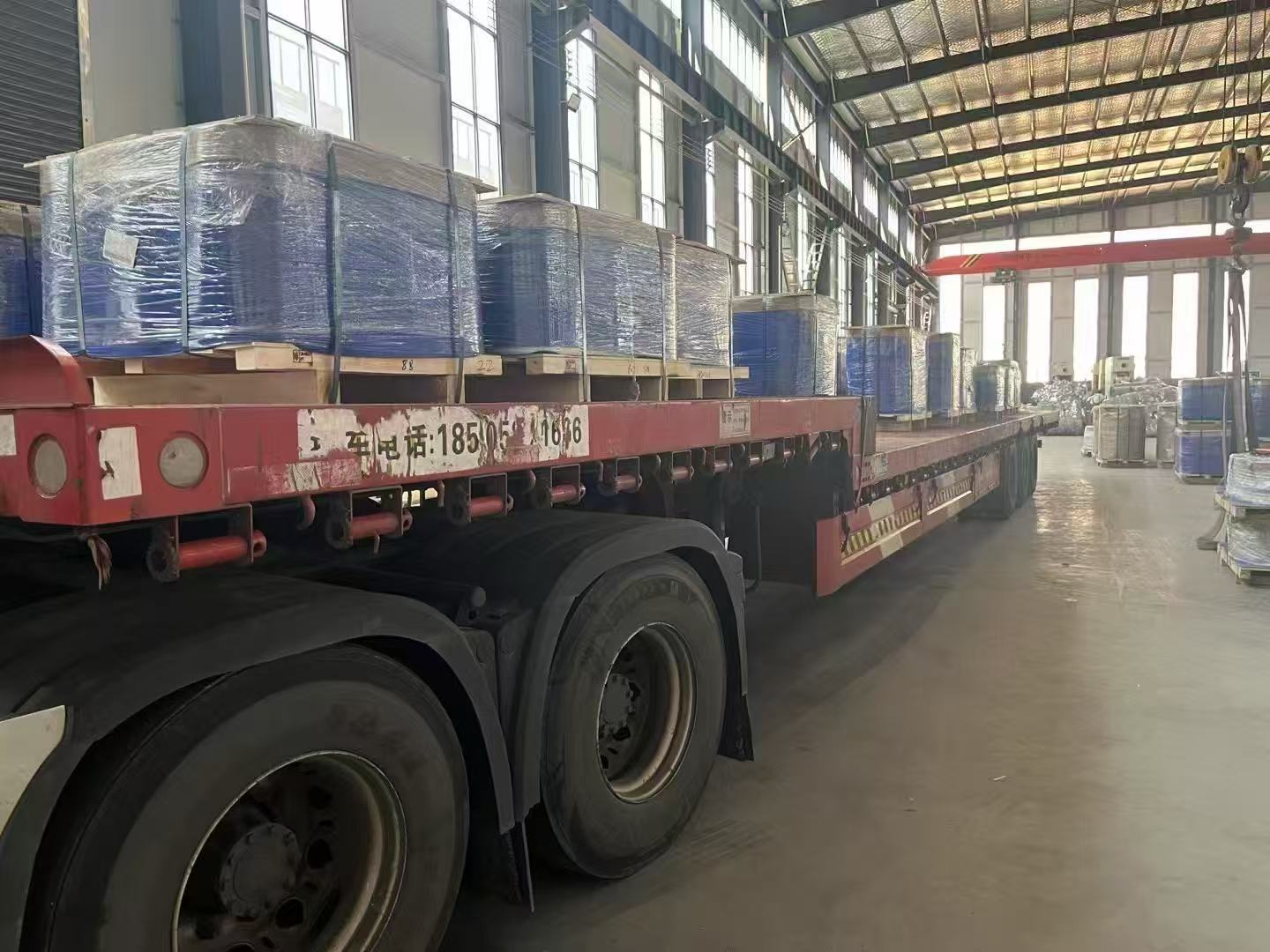
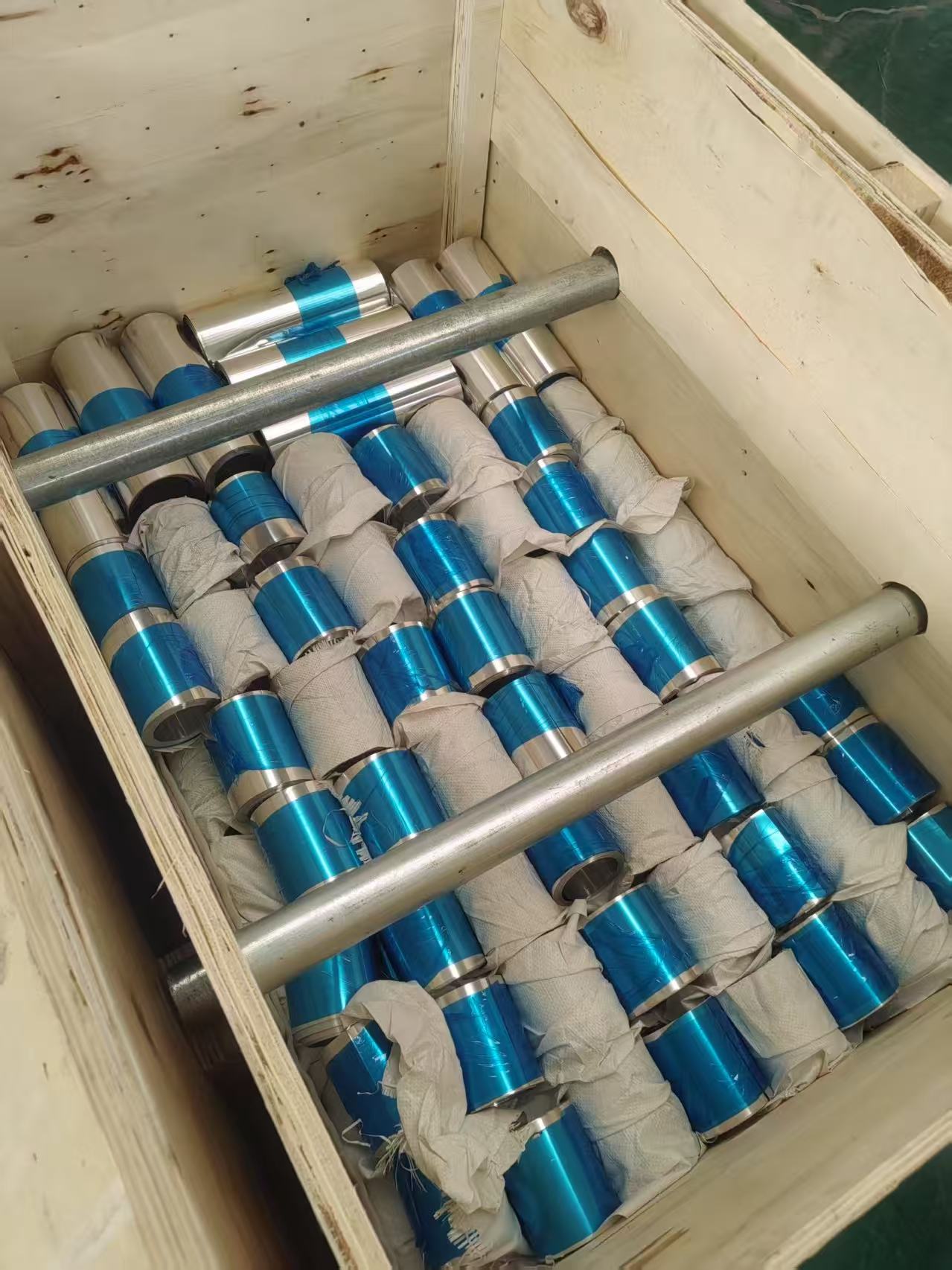
Packaging Method | Bulk shipment (container / break bulk), or compressed bales strapped with steel bands / woven bags; chips in drums or sealed bags |
Labeling | Each batch accompanied by a quality certificate stating grade, composition, net weight, production/recovery date |
Shipping Precautions | Protect from rain and moisture; avoid mixing with other metals (e.g., copper, iron) to prevent oxidation contamination |
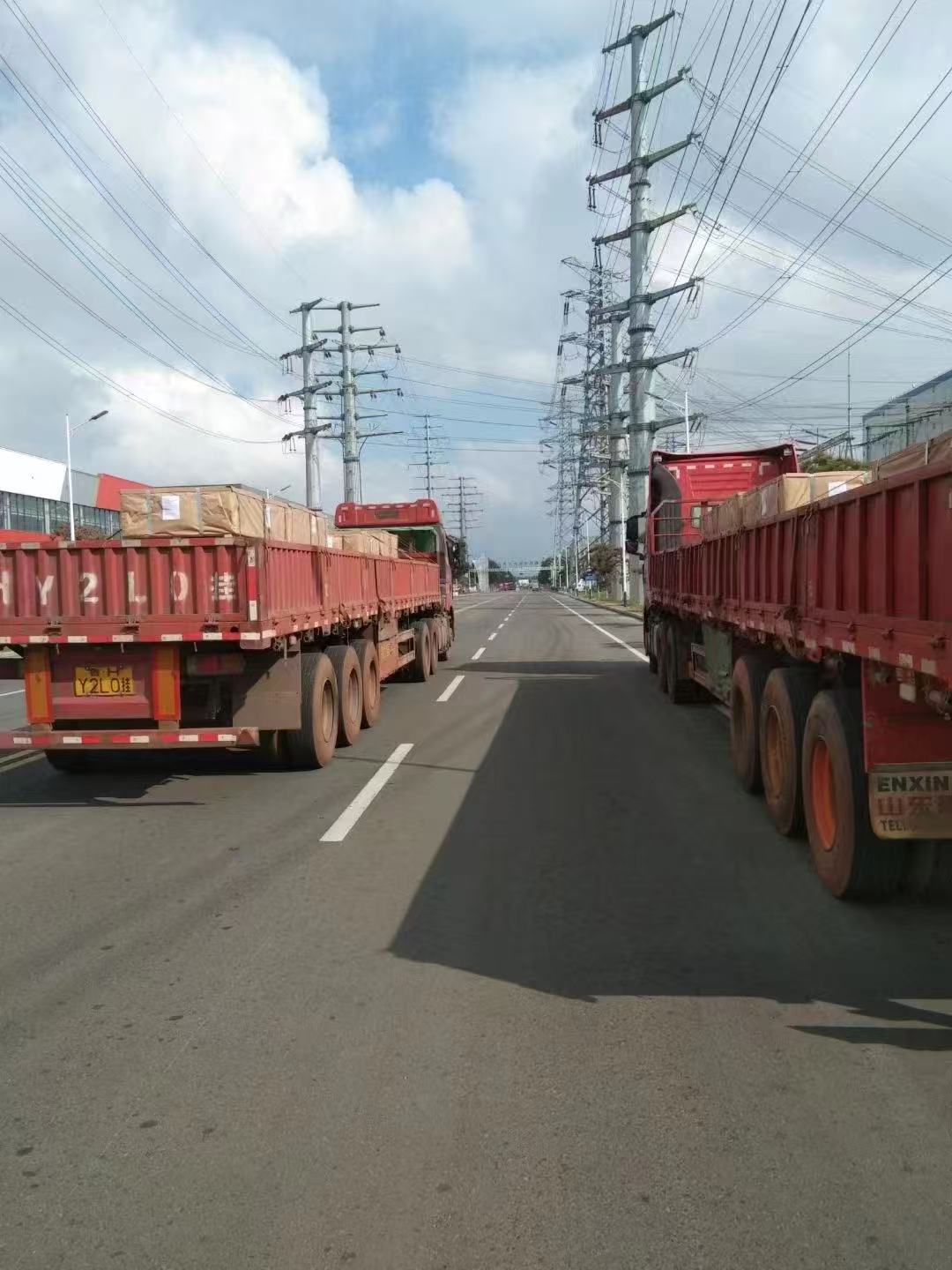
Delivery Terms | FOB, CIF, EXW, and other trade terms available for both domestic and export transactions |
VII. Why Choose Yixintong for Aluminum Scrap (Supply or Purchase)?
Advantage | Description |
Professional Sorting Capability | Equipped with manual + mechanical sorting lines to classify strictly by grade and ensure purity |
Integrated Melting Capacity | Own melting facilities to directly process scrap into finished products, enabling closed-loop recycling |
Large Throughput | Annual processing capacity of hundreds of thousands of tons, ensuring steady and continuous supply |
Comprehensive Testing | Equipped with spectrometer, metallurgical microscope, etc., for batch-to-batch quality control |
Extensive Domestic & International Channels | Long-term cooperation with multiple suppliers and clients, supporting both procurement and sales of scrap |
Green & Sustainable | Committed to low-carbon circular economy, helping customers achieve sustainability goals |